Retail & Grocery
The barcode scanner has long been a fixture at grocery checkouts, and the checkout was the main digital touchpoint between shoppers and grocers.
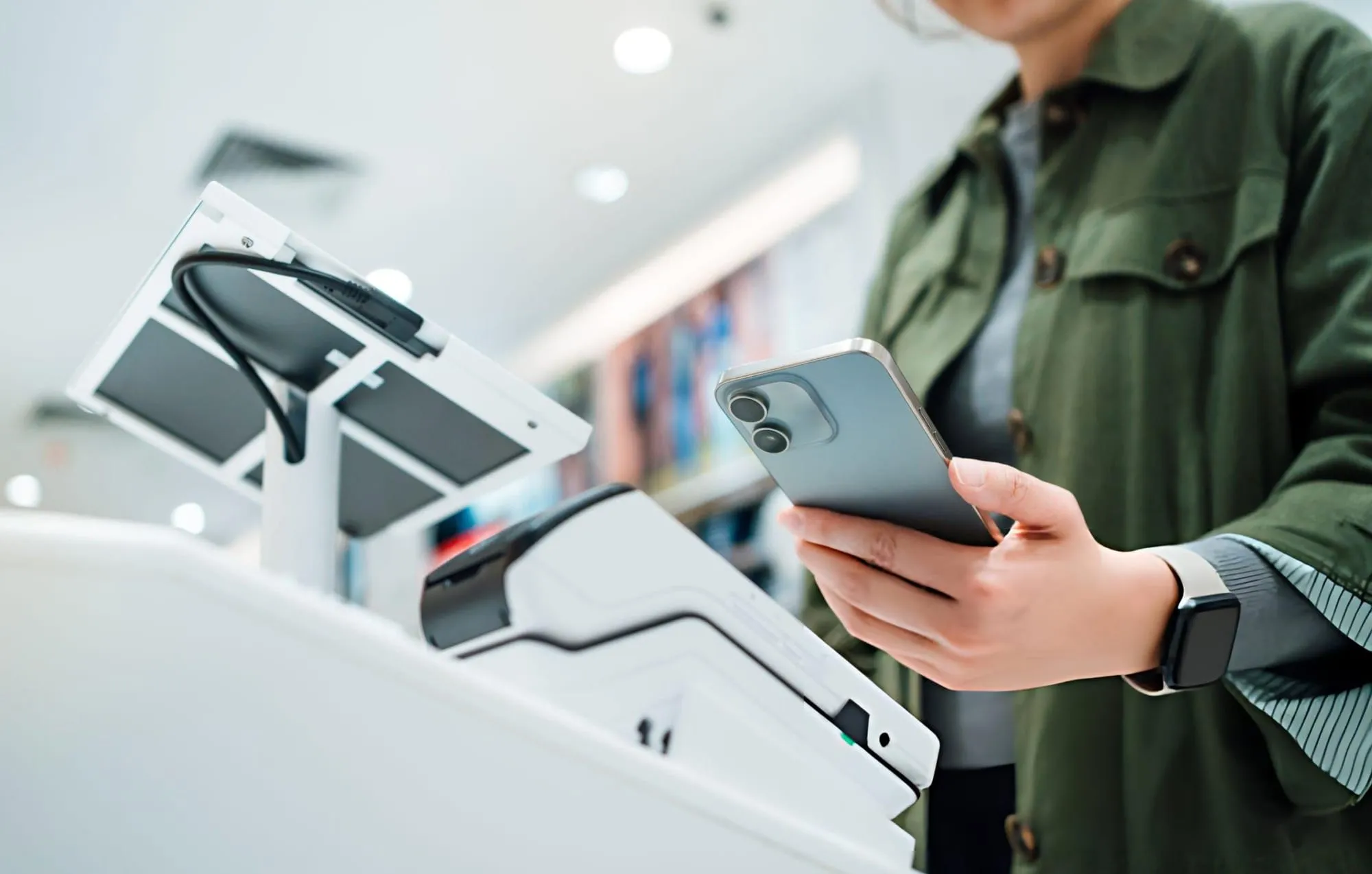
The barcode scanner has been in grocery checkouts for decades. For decades, the checkout was the primary digital touchpoint between shoppers and grocery retailers.
Then the smartphone moved that relationship into the shopper’s pocket. What followed wasn’t a clean, orderly evolution. It was a series of bets, some that paid off, some that blew up publicly, and a full rethinking of what it means to buy groceries in 2025.
The first wave of grocery apps wasn’t about checkout or delivery. It was about the shopping list.
Starting in the early 2010s, major retailers built apps that digitized what shoppers already did on paper: writing down what they needed, clipping coupons, checking prices. Not glamorous. But it trained consumers to open the retailer’s app before leaving the house.
Loyalty programs followed. The plastic card at the register migrated to the smartphone. Suddenly, retailers had a direct channel to the shopper: push notifications, personalized offers, purchase history. Kroger launched Kroger Pay, combining payment, loyalty, and digital coupons into one experience on the phone. It was one of the first clear signals that the app wasn’t just a convenience feature. It was becoming the backbone of the customer relationship.
The idea was straightforward but required changing decades of behavior: shoppers scan items as they shop, pay from their phone before leaving, and never touch a register.
Sam’s Club had it running before anyone paid attention. When the pandemic hit, Sam’s Club said member adoption of Scan & Go had doubled from the year before. The technology hadn’t changed. Consumer behavior did, and the tech was already there.
Sam’s Club read that signal clearly. In 2025, it announced plans to remove traditional and self-checkout lanes across its nearly 600 clubs, making Scan & Go the centerpiece of its checkout strategy. Grocery Doppio reports that the new AI exit arches cut average exit time by 23% compared with manual receipt checks. It also cites an Incisiv study in which 79% of retailers said the technology lifted customer experience and 58% reported lower front-end labor costs.
The model works because every visit becomes a logged event. Every scanned item is a data point. Every completed purchase is a behavioral signal the retailer can use to personalize the next visit.
In Grocery Doppio’s Digital Grocery: Year in Review, omnichannel shoppers made up 19% of the customer base. They spent an average of $1,043 a month and showed a 25.6% margin.
That small group is a powerful signal of where digital investment can create value.
The wider market is moving the same way:
For a generation that has grown up with digital shopping as a normal part of everyday life, mobile isn’t a new channel. It’s part of the expected experience. What they expect today becomes the standard tomorrow. Every week a retailer operates without that digital layer is a week a competitor spends building data, loyalty, and a gap that gets harder to close.
The hardest part of building a grocery retail app isn’t the app. It’s everything behind it.
Most retailers already have a POS, inventory, loyalty, and commerce infrastructure in place. The challenge is making those systems work together in a way the shopper never has to think about. When you build a mobile experience on top of disconnected systems, the shopper feels every gap: an item that’s in stock on the app but not on the shelf, a loyalty discount that doesn’t apply at checkout, a Scan & Go flow that breaks under load.
We start with what you already have. Our job is to connect your existing POS, inventory, and loyalty systems into a single mobile layer that works as one, without forcing a wholesale replacement of your infrastructure.
In practice, that means:
The shoppers who spend the most are not waiting. Neither should you.
Shockoe designs and builds mobile apps for retailers who want to turn digital experience into a real competitive advantage. Contact us.
Start with the customer relationship you already have. For many retailers, that means modernizing loyalty and building a useful digital account experience first: who buys what, how often, and how much. Scan & Go and personalized notifications build on that foundation. Starting with cashierless checkout before having that base inverts the order and loses most of the value.
With the advantage they already have: local knowledge. National chains have scale. Regional retailers can compete on relevance, community, and a deeper understanding of their shoppers. Technology isn't the differentiator. What retailers do with their customer data is. A shopper who feels like their neighborhood store knows them better than Walmart will keep going back.
For many regional operators, curbside is the more practical place to start. FMI notes that pickup is more cost effective for retailers and often handled in-house, although delivery and shipping have been growing faster than pickup. Pickup also keeps the retailer closer to the customer relationship, because on third-party delivery platforms the relationship belongs to the platform, not to you.

Omnichannel shoppers demonstrate higher spending and loyalty than single-channel customers.