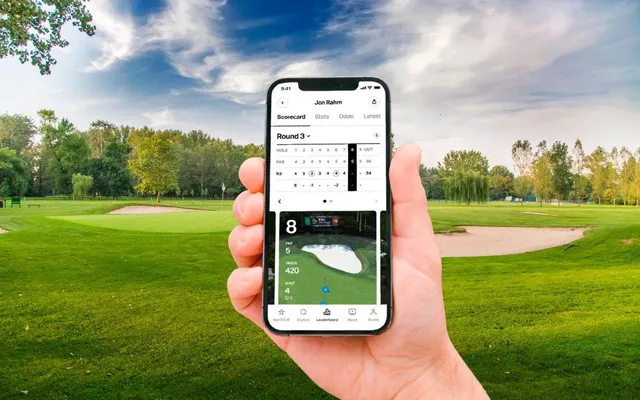
Sports & Fan Experience
How AR and VR help sports teams, venues, and leagues build fan engagement and brand activations, and where the data is still thin.
Immersive experiences bring a wow factor for sports teams, venues, and leagues. Fans expect more than passive viewing, and AR and VR give a brand a way to meet them with something to do, not just something to watch. Done well, the result is a memorable experience that ties fans to the team and its partners.
An immersive experience builds on the physical environment to add to it. With technology, users can see, hear, and interact with things that are not in front of them. The experience feels real, and fans can get involved on a new level. Sight, sound, and touch all help.
It does not have to mean a headset. In this article, we use the term for AR, VR, and interactive installations such as games and trivia.
Research points to a reason experiences land. In a peer-reviewed study built on two surveys, respondents said experiential purchases, ones made mainly to gain a life experience, made them happier than material purchases. Event marketers have their own numbers, from the EventTrack survey that Mosaic and Event Marketer run with consumers who have attended branded events:
These are self-reported answers from people who already attend branded events, published by an experiential marketing trade group. We read them as a sign of interest, not proof of sales.
AR focuses on the real-world setting, so a phone can show a game or a product in the stands. VR takes the user somewhere else. Both let a brand show its story instead of telling it.
Physical activations have limits, such as planning time, site installation, and manufacturing. A digital layer can remove some of them.
Immersive experiences take many forms. Here are three:
Less than the hype suggests. PwC surveyed about 2,000 sports fans and found that 18% of younger fans report using AR or VR at live games, a rate that largely tracks with older fans. PwC wrote that these technologies have not yet convinced this group to engage with immersive tech.
In our view, that is a reason to tie AR to something fans already want to do, such as playing for a few minutes at halftime, and not to lead with the technology.
In our view, four habits help:
We also write about how to de-risk digital fan experiences and about the stadium user experience, and our services page covers how we work.
Planning a fan activation? Talk to us.
An experience that builds on the physical setting of a game so fans can see, hear, and interact with things that are not physically in front of them. It can use AR, VR, or interactive installations such as games and trivia.
AR adds digital content to the real world, so a phone can show a game or a product in the stadium. VR places the user in a different world. Both let a brand show a story instead of telling it, without some of the limits of physical installations.
Not widely yet. In a PwC survey of about 2,000 sports fans, 18% of younger fans reported using AR or VR at live games, a rate that largely tracks with older fans. That is why we suggest tying AR to something fans already want to do.
In our view, a clear moment to use it, such as halftime or pre-match, a fast way to join, and something measurable for sponsors. The technology matters less than whether fans want to take part.

Immersive experiences turn stadium downtime into memorable moments, building deeper fan connections with your brand.
Sports & Fan Experience
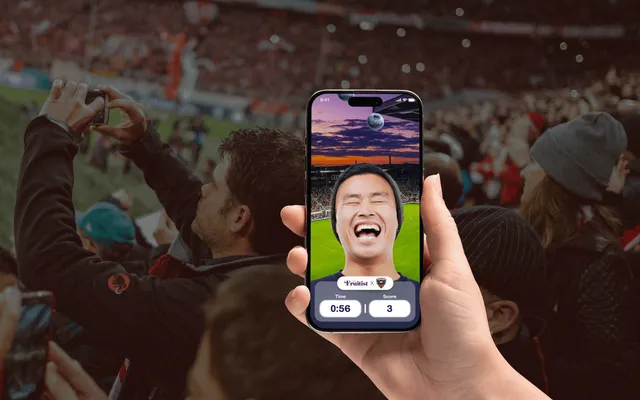
Sports & Fan Experience
Hospitality