Sports & Fan Experience
Sports organizations invest in immersive digital experiences because fans expect them. The experience only counts if the app holds up at kickoff.
In professional sports, immersive experiences have become the standard for fan engagement. From AR replays to in-seat ordering, the promise is clear: deeper emotional connections and more revenue.
For the CIOs and VPs of Digital who have to deliver them, the reality is harder. The wow factor is worth nothing if the app crashes at kickoff. For heritage sports brands, the risk is not only a technical glitch. It is a public failure on a global stage.
The challenge is not just imagining the next great fan experience. It is engineering the stability to deliver it reliably. This is our playbook for de-risking digital modernization in sports.
Events still move fans. Event Marketer’s EventTrack 2026 research reports that 61% of consumers are more inclined to purchase after an event. That result assumes the experience went well. A new feature gets noticed once. A broken one gets remembered. When a fan cannot open a ticket or an AR replay freezes mid-game, the emotional connection the feature was meant to build is cut.
In our view, the priority for a heritage brand is to move from chasing trends to making the platform dependable. Plan for the busiest moment of the season, not the average day, because that is the moment fans are watching.
Sports technology is often a patchwork: ticketing that does not talk to concessions, and engagement apps cut off from loyalty programs. Putting AR or VR on top of a fractured foundation invites trouble. We describe the same pattern in hospitality booking in the real cost of a disconnected booking engine.
The fix is an audit-led approach. Before launching consumer-facing features, map the underlying architecture and repair the weak points. That way a new immersive feature connects to existing systems without creating bottlenecks in the data.
Some deadlines do not move. There is no beta for the Super Bowl or the Masters. A failed rollout is more than a missed KPI. It breaks a promise to the fan base.
That is why we tell executives to put predictability ahead of speed. Choose partners who understand live-event conditions, test for worst-case traffic, and build resilience into every layer.
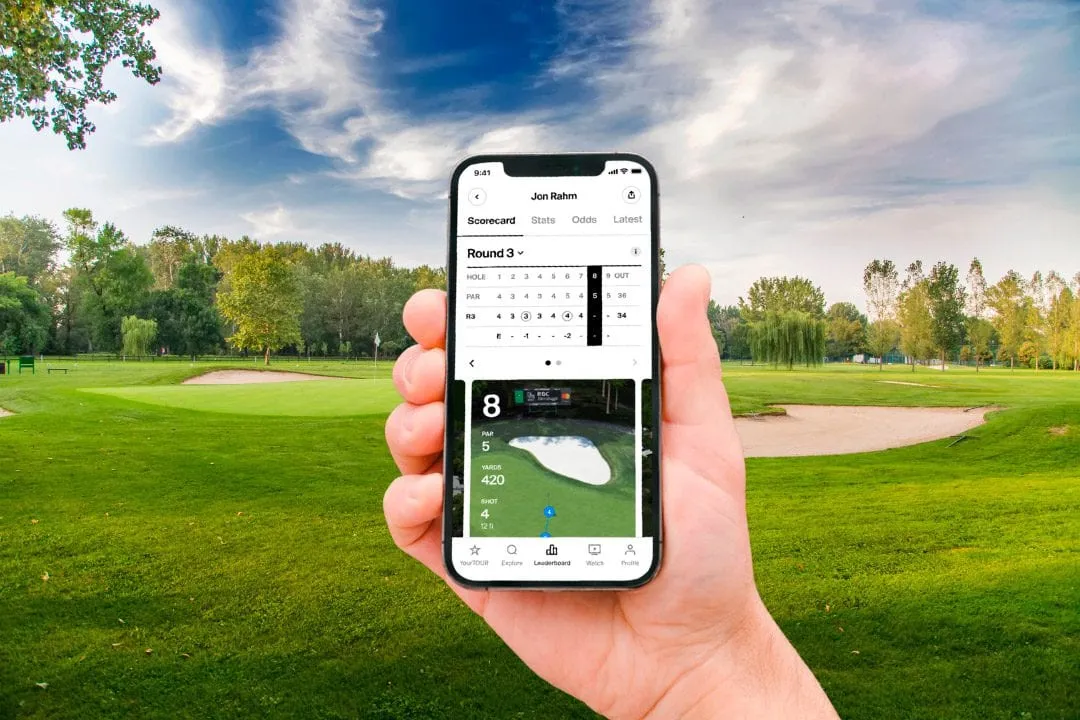
Our work for a professional golf tour is one example. We rebuilt its fan app with a 3D course map and shot tracing, near-real-time scoring that averaged 12 seconds behind live play, and geofenced features that help fans at the event find concessions and see where players are on the course. The point of the rebuild was a backend and data flow that fans could trust, because a shot tracer that lags or shows wrong data is worse than none. You can see more of our sports work.
Picture a venue that wants to add an LED fan-zone game to its match-day program. This example is hypothetical, but the risks are real: a hardware and software mismatch in a crowded concourse, with on-site staff who have no time to troubleshoot. In our view, the answer is stress testing before the event and a design simple enough for staff to run.
To modernize without gambling on the brand, we recommend four principles:
Our services page explains how we approach this work.
For teams and leagues, the future is digital, and the path there carries real risk. You do not need a vendor who promises the moon. You need a partner who helps you land safely. Do not guess whether your platform can handle the next peak. Test it.
Want a second set of eyes on your platform before peak season? Get in touch.
It means proving the app can handle peak traffic and live data before fans depend on it, and fixing the systems underneath it first. In our view, it is engineering work done before launch, not damage control after.
New features sit on top of ticketing, concessions, and loyalty data. If those systems do not talk to each other, the new feature inherits the gaps and fails where fans notice it.
Crash-free sessions and API response times, tracked during live events. These show whether the app works when the most fans are using it.
Introducing a capability to part of the audience first lets you confirm it is stable and collect feedback before the whole ecosystem depends on it.

Stability matters more than the wow factor when launch day puts your brand on a global stage.
Sports & Fan Experience
Sports & Fan Experience
Hospitality