Hospitality
Group trips are the new normal, and the organizer ends up as the traffic director. Here is what a resort can do to keep a group in sync without adding noise.

Picture a guest named Sofía. She is the one organizing the annual trip for her friend group: ten people, three families, one luxury resort on the coast. Sofía is a composite, not a real guest, but anyone who has planned a group trip will recognize her.
She loves her friends, but she is tired of being the traffic director. Her phone will not stop vibrating. There are 45 unread messages in the group chat. What time was dinner again? Where is everyone? Did anyone see the photo Lucas took on the catamaran?
The resort is breathtaking, but Sofía is not looking at the view. She is scrolling through screenshots of itineraries in her photo gallery. That is the point where the magic of the trip begins to fade.
More common than a single-traveler booking flow assumes. In a Squaremouth survey of more than 1,000 of its travel insurance customers, 47% said they were planning multigenerational or family trips in 2025, and 20% said friend-group trips. Those respondents are customers of one company, so we read the numbers as a signal, not a market measurement. The point stands: groups are a core guest, and the organizer carries the load.
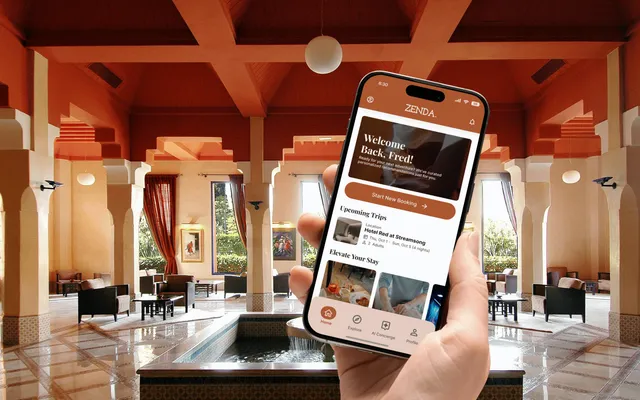
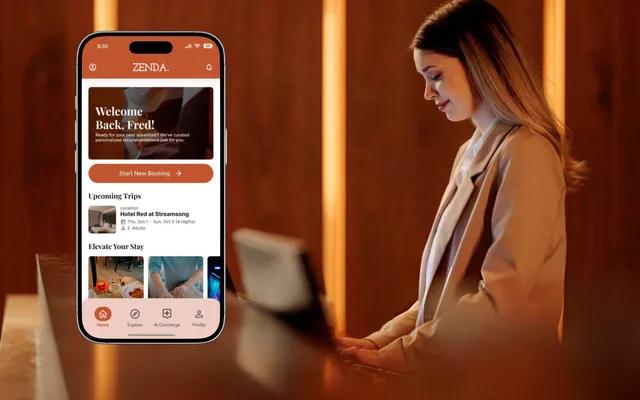
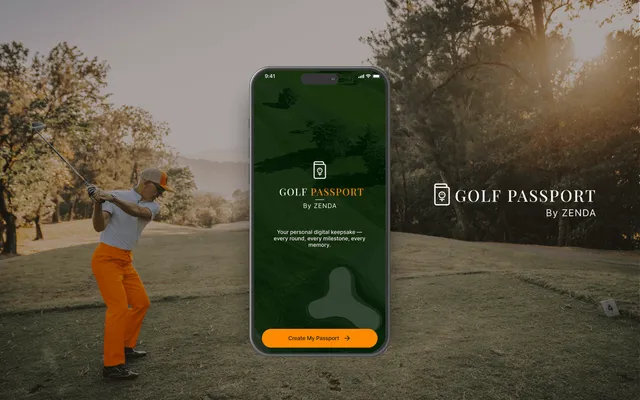
Resort booking tools are often built for one traveler. Some already recognize groups. According to the Zenda site, its golf booking flow lets a foursome book in one flow, without separate requests. The rest of the group stay is still largely left to a chat thread.
Imagine the resort has a discreet QR code in the lobby: scan to sync your group. No registration or complicated setup. In a few seconds, Sofía and her friends are inside a shared space made for them. This is the idea behind Group Sync, a concept we are developing. It is not a live product.
That afternoon, half the group stays at the spa and the other half heads to the beach club, and nobody has to ask a question. In our view, the experience rests on four things:
A group tool fails if it adds to the noise. Announcements should come from the organizer, not from everyone. The same instinct runs through the technology guests really want: a tool earns its place by saving people effort, not by asking for more attention.
By the end of the trip, Sofía does not feel drained by logistics. She feels connected. The resort was not only a place the group slept. It was the host of one of their best trips together.
Start with the organizer’s biggest pain, usually the schedule and the announcements, and make joining effortless. Then add the shared moments. Both depend on a clean shared record of the stay, which we cover in how data brings the personal touch back to hospitality.
If you would like to talk through group experiences for your property, get in touch. Our services cover strategy, design, and mobile development for hospitality, and you can see more in our work.
Because the organizer usually carries the logistics, and group chats bury key details. A shared space for the schedule, announcements, and photos lets everyone see the same information without hunting for it.
A way to join without creating an account, announcements that only the organizer can send, a shared schedule, a leaderboard for group activities, and a private place for photos. In our view, less noise matters more than more features.
Common. In a Squaremouth survey of more than 1,000 of its travel insurance customers about 2025 trips, 47% said they were taking multigenerational or family trips and 20% said friend-group trips. Those are the company's customers, not all travelers, so treat it as a signal.
No. Group Sync is a concept we are developing for resorts. This article describes the idea and a hypothetical guest story, not a live product.

Group trip organizers shoulder logistics alone. A shared space for schedules, announcements, and photos keeps everyone in sync without noise.