Hospitality
Guests want to be known, but they also want to know what you do with their information. Here is which data is worth capturing and how to use it with care.

Most hospitality teams already hold more guest data than they use. Collecting it is not the hard part. The hard part is deciding which details are worth keeping, putting them in front of the right person at the right moment, and handling them the way guests expect.
This piece is about the data itself. If you want the staff side of the story, read how a shared guest memory redefines luxury for clubs and resorts.
In our view, the test is simple: will this detail change what a team member does? A guest’s coffee order, a room or seating preference, a dietary need, or the reason for the visit all pass. A long list of fields nobody reads does not.
Small details matter because they save the guest a question. If the system reminds a server that a guest likes iced coffee, the drink arrives without being asked for. That is the personal touch, delivered by information instead of memory.
Many say they do. In a 2025 report by TakeUp, a revenue management vendor for independent hotels, 95% of the 350 travelers it surveyed said personalized offers or recommendations based on their interests would make them more likely to book a stay at an independent hotel. The report does not state the geography, and a vendor ran it, so we read it as a signal of interest and not as a benchmark.
That interest comes with a condition: trust.
Guests are wary of how companies handle their information. In Deloitte’s Connected Consumer Survey of 3,857 U.S. consumers, 79% said technology providers are not very clear about their data privacy and security policies, and 79% said it is not very easy to control the data those providers collect. Among consumers who felt a provider had clear policies, 52% reported high trust. That survey covers technology providers broadly, not hotels, but guests carry the same expectations into a booking flow.
Regulators have started to spell out the basics for lodging. The FTC’s order against Marriott International and Starwood, which followed three data breaches, requires the companies to keep personal information only as long as reasonably necessary for the purpose it was collected, and to provide a link for customers to request deletion of information tied to an email address or a loyalty account. We are not lawyers, and that order binds those companies, but it is a useful picture of what good practice looks like.
Four habits cover most of the ground:
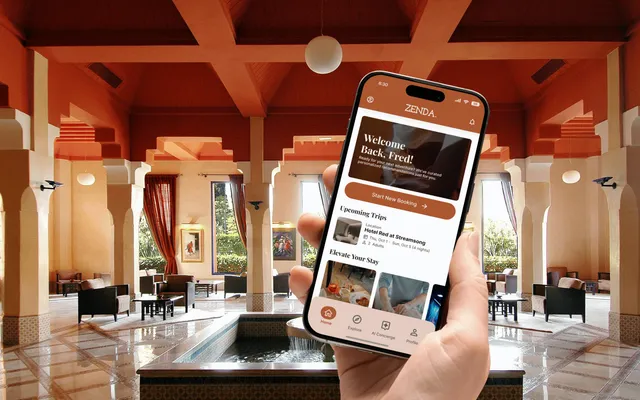
Data helps only when the whole team can see it. A guest should not repeat a preference when they move from the lobby to the bar or from the dining room to the golf shop. We build our hospitality platform, Zenda, around a shared guest profile across hotel and golf systems, so the same record can inform each team. You can see more of this work in our work.
The same idea explains why disconnected booking systems cost revenue: when guest information sits in separate systems, nobody can use it.
Pick one preference your staff already track by hand, such as dining habits or seating, and put it where every team can see it. Prove staff use it, set the retention rule, and then add the next source.
If you want to talk through what to capture and how to share it, get in touch. Our services cover strategy, design, and mobile development for hospitality.
Small facts that change service: how a guest likes their coffee, room and seating preferences, dietary needs, and the occasion for the visit. If a detail will not change what your team does, it is not worth collecting.
Many say so. In a 2025 report by TakeUp, a vendor serving independent hotels, 95% of 350 surveyed travelers said personalized offers or recommendations would make them more likely to book an independent hotel. It is a vendor survey, so treat it as a signal and not a benchmark.
Collect only what you will use, tell guests why you ask, keep it only as long as it is needed, and give them a way to request deletion. The FTC's order against Marriott includes both a retention limit and a deletion link for customers.
One record of a guest's preferences and history that every department can see and update, so the front desk, restaurant, and golf shop work from the same information instead of asking the guest again.

Small details that change service turn ordinary transactions into experiences guests remember.