

Shockoe has guided 500+ retail brands in building omnichannel experiences. Today’s consumers seamlessly move between physical stores, websites, mobile apps, and social media. Successful brands orchestrate synchronized experiences that recognize customers at every interaction point.
This shift has become even more pronounced in recent years with digital touchpoints multiplying and customer expectations evolving. Research from Harvard Business Review found that 73% of shoppers use multiple channels during their shopping journey. Additionally, McKinsey reports that the number of channels that B2B customers use has doubled in the past five years with said customers utilizing more than ten channels.
The most successful brands understand that the future of retail lies not in choosing between digital and physical presence, but in creating cohesive experiences that leverage the strengths of each channel while maintaining a unified brand voice and customer journey.
What Is Omnichannel Retail?
Omnichannel retail integrates all shopping channels — physical stores, websites, mobile apps, social media platforms, customer service touchpoints, and more — into a single, seamless customer experience. Unlike multichannel retail, which offers multiple disconnected shopping options, omnichannel creates a unified journey regardless of how or where customers interact with your brand.
The omnichannel experience allows customers to:
- Begin research on a mobile app and complete purchases in-store
- Buy online and pick up in-store (BOPIS)
- Return online purchases to physical locations
- Access consistent pricing and promotions across channels
- View real-time inventory across all retail locations
- Maintain shopping carts across devices and channels
- Receive personalized recommendations based on their purchase history
- Experience consistent customer service across channels
The rise of omnichannel retail reflects a fundamental shift in consumer behavior. Today’s shoppers don’t think in terms of channels, they expect brands to meet them wherever they are with consistent, personalized experiences. This expectation has become the new standard with consumers quickly abandoning brands that create friction between channels.
Multichannel vs. Omnichannel: Understanding the Difference
Multichannel retail offers customers multiple ways to shop — physical stores, websites, mobile apps — but these channels typically operate independently with separate inventories, pricing strategies, and customer databases. A multichannel retailer might have different promotions running in their store versus their website; this creates a disjointed experience when customers switch between channels.
The multichannel approach treats each sales channel as a separate entity, often with different teams, goals, and KPIs. While this allows for specialization within channels, it creates significant challenges for customers moving between them. For example, a customer might see an item available online only to discover it’s out of stock when they visit the physical store, or they might be unable to return an online purchase in-store.
Omnichannel retail integrates all channels to create a unified experience regardless of how customers engage with the brand. The key distinction between the two lies in the customer journey — omnichannel strategies focus on creating a cohesive brand experience across all touchpoints, while multichannel strategies focus on maximizing the performance of each channel independently. This fundamental difference affects everything from organizational structure to technology infrastructure and customer data management.
Key Benefits of Implementing an Omnichannel Strategy
Enhanced Customer Experience
Omnichannel retail strategies significantly enhance customer experience by eliminating friction points throughout the shopping journey. According to Salesforce research, 79% of customers expect consistent interactions across departments, and omnichannel strategies deliver this consistency through integrated backend systems.
The enhanced experience manifests in several ways: customers don’t need to repeat information when switching channels, they receive consistent answers regardless of who they speak with, and they can complete transactions using their preferred method at each stage. This frictionless experience creates a sense of recognition and value that builds emotional connections with the brand.
For example, when a customer receives an email about a product they browsed online and can then scan a QR code in-store to access more in-depth information about that product, they experience a level of service that feels personalized and attentive. These moments create positive brand associations that drive long-term loyalty.
Increased Sales and Revenue
Brands with strong omnichannel engagement will be more likely to see a significant increase in annual revenue compared to those with weak omnichannel approaches. This revenue growth stems from higher average order values, increased purchase frequency, better cross-selling opportunities, and reduced cart abandonment.
Improved Customer Loyalty and Retention
Omnichannel strategies strengthen customer relationships by delivering consistent and memorable brand experiences. Shoppers who engage across multiple channels tend to have significantly higher lifetime value than those who use a single channel. Additionally, brands with strong omnichannel engagement see much higher customer retention rates compared to those with limited engagement.
Essential Components of a Successful Omnichannel Retail Model
Seamless Integration Across All Touchpoints
Seamless integration requires sophisticated backend systems that synchronize customer data, purchase history, and preferences in real time.
Retailers implementing seamless integration often turn to mobile apps that sync in-store and online experiences. Shockoe has worked with heritage brands to develop mobile apps that eliminate friction across customer touchpoints.
Unified Inventory Management
Unified inventory management provides real-time visibility across all sales channels, serving as the backbone of effective omnichannel operations. For example, Target’s inventory management system allows customers to check product availability at nearby stores and choose their preferred fulfillment method.
Consistent Branding and Messaging
When visual elements, tone of voice, and promotional offers remain uniform across channels, the experience feels cohesive and intentional. Apple demonstrates this consistency masterfully by maintaining identical design aesthetics, customer service standards, and product presentation across all touchpoints.
Real-World Examples of Successful Omnichannel Retail
Nike’s Connected Membership Experience
Nike has become an omnichannel powerhouse by integrating its membership program with physical and digital experiences. The Nike App offers personalized recommendations, in-store reservations, AR previews for custom shoes, and seamless checkout.
Members can scan products in-store to check available sizes and colors, “like” favorite styles for in-store assistance, and use their Member Pass at checkout to link purchases to their profile. A connected inventory system also enables same-day delivery and pickup, boosting digital sales and retention.
Anderson Hearth & Home: AR-Powered Product Visualization
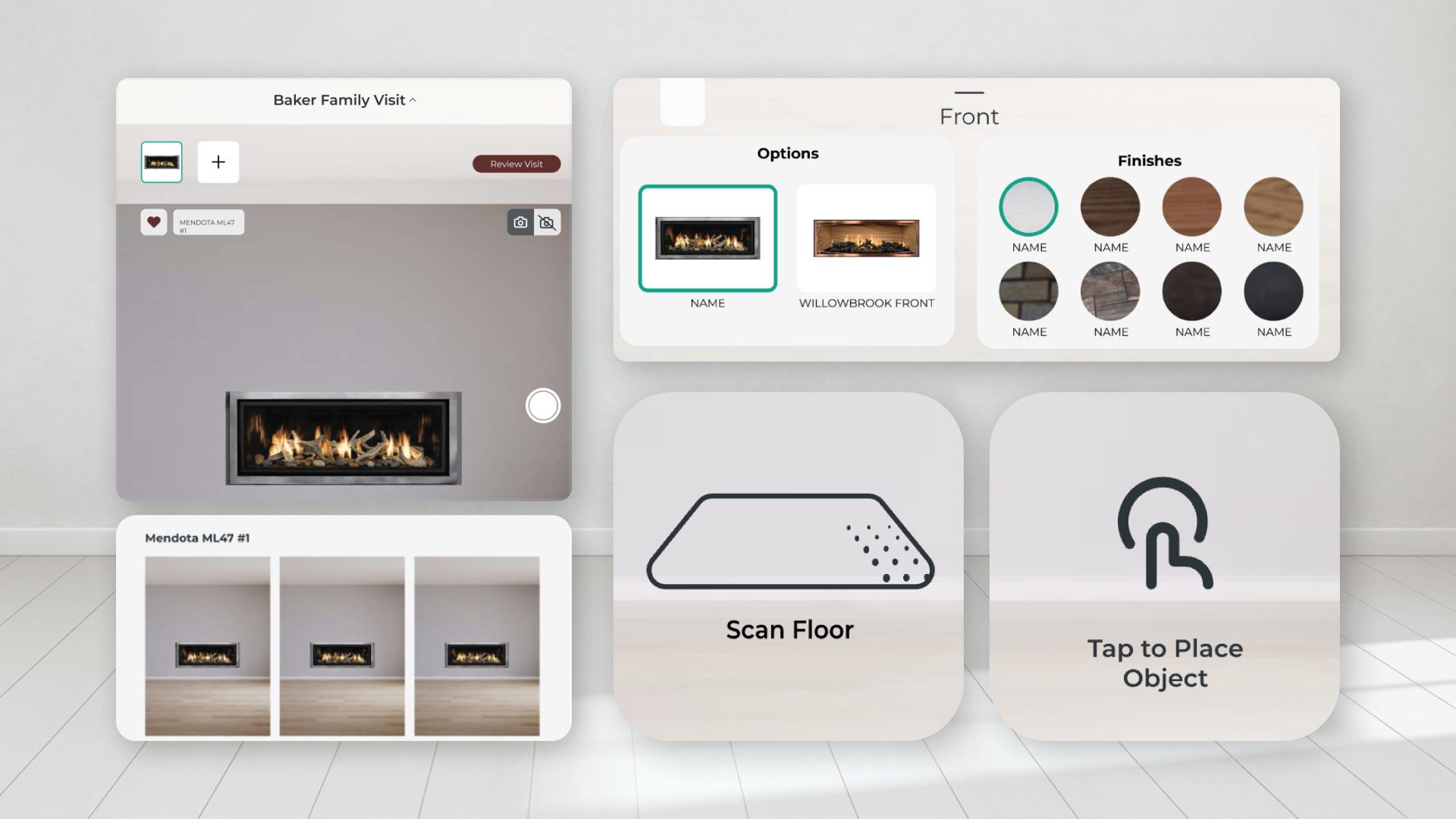
Anderson Hearth & Home partnered with Shockoe to develop an augmented reality fireplace visualizer that allows customers to see exactly how different fireplace models would look in their spaces. This AR solution provides high-quality, lifelike images, enables sales teams to showcase their full catalog instantly, and increases buyer confidence by showing how the product fits in the customer’s space.
Hy-Vee: In-Store Kiosk Integration
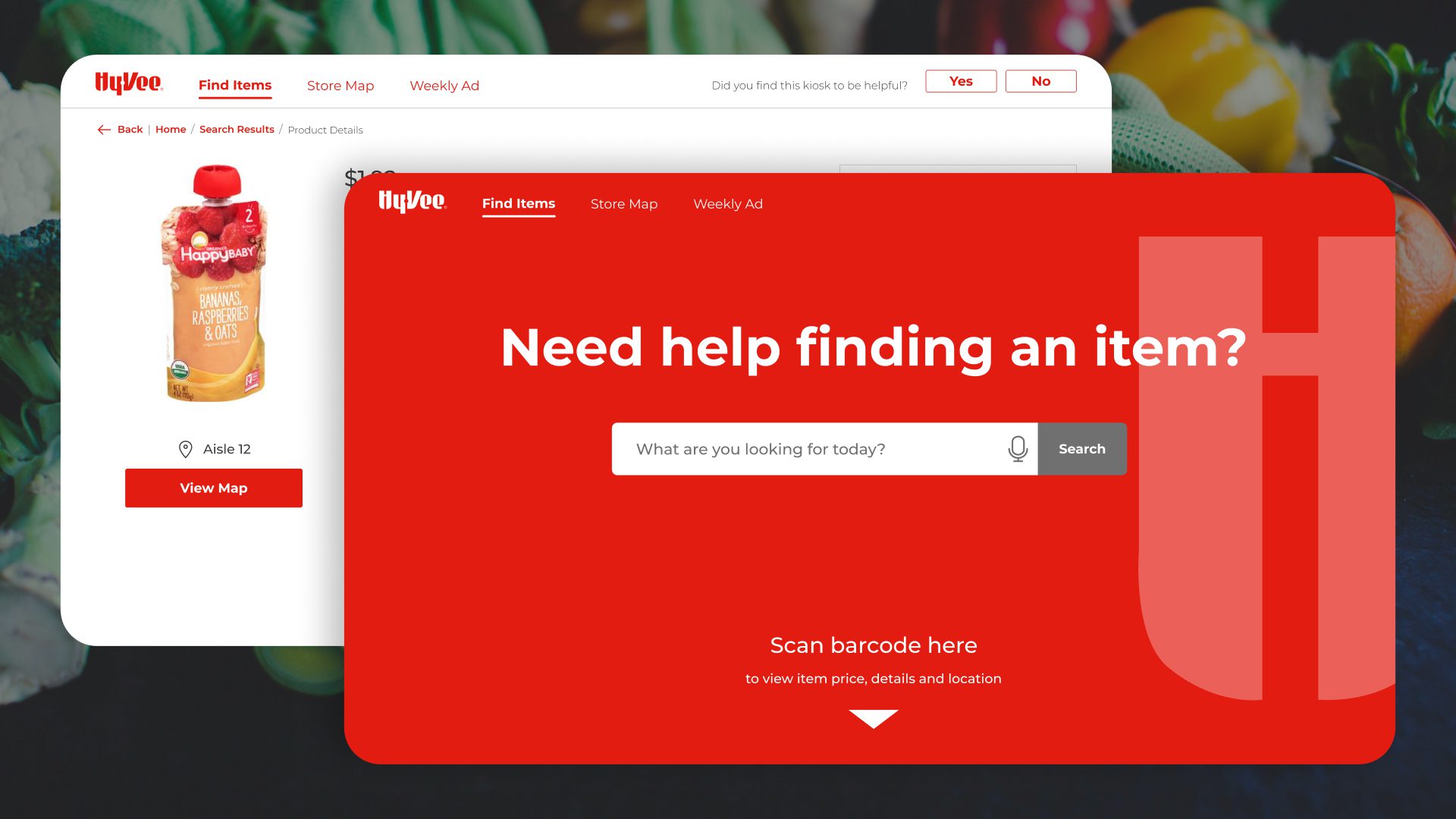
Hy-Vee partnered with Shockoe to create in-store kiosks that help customers navigate stores and find products quickly. The solution allows customers to search for products, view pricing information, find aisle locations, browse weekly ads, and update shopping lists in their mobile app. This initiative has generated impressive results, with 2,100 sessions per week and over 8,400 questions answered monthly.
Lucyd: AR-Powered Virtual Try-On
We created an AR experience for Lucyd that allows customers to virtually try on glasses on the mobile app before purchasing. This solution reduces return rates by helping customers choose the right glasses, provides a convenient shopping experience from anywhere, and builds buyer confidence and satisfaction.

Challenges in Implementing Omnichannel Retail
Technology Integration Hurdles
Many retailers struggle to unify their online and in-store experiences due to outdated legacy systems that don’t communicate effectively. This often leads to inventory discrepancies, disconnected customer interactions, and inefficient operations.
Brands overcoming these challenges invest in solutions that seamlessly integrate digital and physical touchpoints. For example, Hy-Vee tackled in-store navigation issues by implementing interactive kiosks that sync with their mobile app. This allows customers to find products, check pricing, and update shopping lists in real time.
Organizational Structure Barriers
According to McKinsey research, traditional siloed organizational structures can hinder the development of effective omnichannel strategies. Siloed departments with separate teams for in-store and online operations often compete for resources and recognition rather than collaborating toward unified goals.
Future Trends in Omnichannel Retail
AI-Driven Personalization
As consumer expectations for hyper-personalized shopping experiences evolve, AI-driven personalization is redefining how brands engage with customers. Retailers are moving beyond static product recommendations to real-time, predictive personalization that adapts to user behavior, context, and intent. From AI-powered chatbots that anticipate customer needs to dynamic content recommendations tailored to individual preferences, the next wave of AI in omnichannel retail is about creating frictionless, context-aware experiences.
One example of this shift is how Brand Innovators transformed their event experience with AI. Hosting over 400 events annually, they needed a way to personalize attendee schedules without overwhelming staff. Shockoe developed an AI-powered mobile app that tailored event agendas to each attendee’s professional role, interests, and availability, creating a more engaging and seamless event experience. This level of intelligent automation reflects how AI can enhance personalization at scale while optimizing operational efficiency.
Looking ahead, AI will continue to shape omnichannel retail by driving automated decision-making, predictive customer service, and immersive AI-powered shopping experiences. Brands that harness these technologies effectively will set the standard for personalization, making every interaction feel effortless, intuitive, and deeply relevant to the customer.
Virtual and Augmented Reality Shopping Experiences
61% of consumers say they would shop more frequently with retailers offering AR experiences. This growing preference for immersive shopping experiences represents a significant opportunity for retailers to differentiate themselves while addressing practical customer concerns about online shopping.
The impact of AR extends beyond practical applications like virtually trying on glasses or visualizing furniture. These technologies create emotional connections by helping customers imagine products in their lives. When a customer can see how a painting will look on their wall or how a pair of sneakers complements their wardrobe, they form stronger attachments to products before purchasing them.
Our work with Anderson Hearth & Home and Lucyd demonstrates how AR fundamentally transforms the customer journey by bridging online convenience with the confidence typically associated with in-store shopping.
Key Takeaways
Omnichannel retail isn’t just a trend—it’s the future of how consumers shop. The success of brands like Sephora and Target, and Shockoe clients, proves that seamless integration across digital and physical channels drives stronger engagement, higher conversions, and long-term customer loyalty. As AI-powered personalization and immersive technologies continue to evolve, the distinction between online and in-store experiences will become virtually invisible.
At Shockoe, we specialize in creating digital experiences that not only integrate with existing systems but also enhance the entire customer journey. Our approach prioritizes customer-centric design and technical precision, ensuring that every interaction feels intuitive, efficient, and true to your brand’s identity. We don’t just build apps—we craft digital experiences that align with your brand’s heritage and deliver real business impact.
With Shockoe, you get custom-built digital solutions at the speed of white-label development—without compromising on quality, innovation, or brand authenticity.
Frequently Asked Questions
What is omnichannel retail?
Omnichannel retail is a comprehensive sales approach that unifies all shopping channels into a single, seamless experience. Unlike multichannel retail, which offers disconnected options, omnichannel allows customers to start shopping on one platform and complete it on another with consistent information and service.
How does omnichannel differ from multichannel retail?
Multichannel retail offers various shopping methods that operate independently, creating a disjointed customer experience. Omnichannel retail integrates all channels, allowing customers to maintain their preferences and history across platforms.
What are the benefits of implementing an omnichannel strategy?
Enhanced customer experience, increased sales and revenue, and improved customer loyalty and retention, just to name a few.
What components are essential for a successful omnichannel retail model?
A successful omnichannel retail model requires seamless integration across all touchpoints, unified inventory management, and consistent branding and messaging.
What challenges do retailers face when implementing omnichannel retail?
Major challenges include technology integration hurdles with legacy systems and organizational structure barriers. Retailers also often struggle with siloed departments, which can hinder seamless collaboration and efficiency.
How are emerging technologies shaping the future of omnichannel retail?
Emerging technologies like AI-powered personalization are creating hyper-individualized shopping experiences using predictive analytics. Virtual and augmented reality are transforming retail with virtual showrooms and AR applications that allow customers to visualize products in their homes. These innovations are creating more personalized, frictionless experiences that blur the lines between digital and physical retail.
