Olly
Mobile DTC Experience Assessment
- Client

- Sector
- Wellness
- What we did
- Success workshop, customer journey mapping, UX and UI assessment, and roadmap
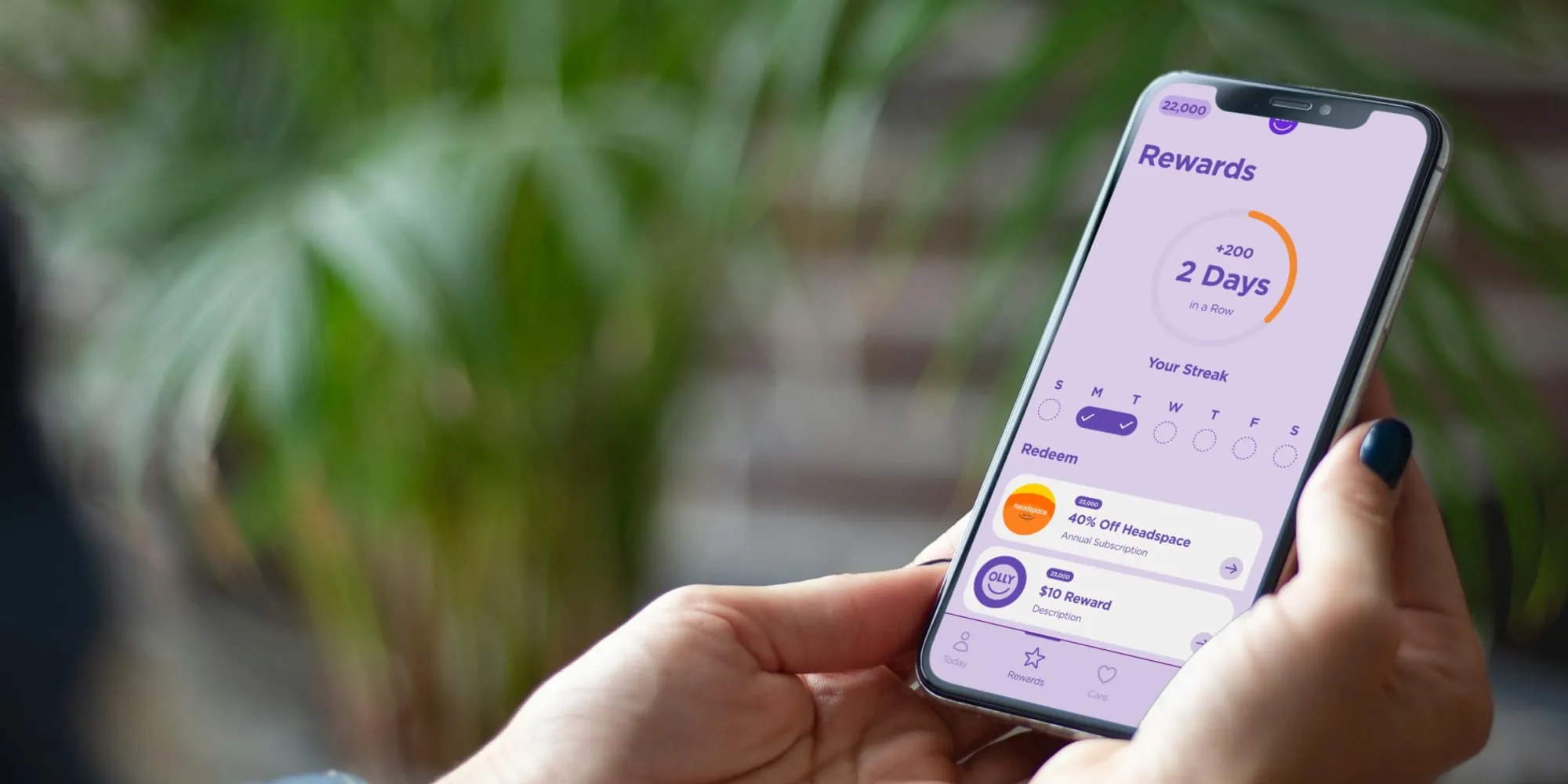
From one purchase to a daily habit.
The challenge
Olly is a wellness brand with strong retail distribution and a mobile-first audience, about 80% of its site traffic. After a purchase, Olly had little insight into whether customers used or benefited from the product. There was no smooth way to bring a customer who bought in a store into the brand's digital experience, and rewards were hard to find and not tied to how customers actually behave.
The opportunity is large: according to AlixPartners, the vitamins, minerals and supplements market topped $125 billion in 2025 and the vitamins and supplements segment is projected to grow 11% through 2027, and Grand View Research puts the U.S. dietary supplements market at more than $68 billion in 2025, growing about 8.5% a year through 2033.
The build
A UX and UI assessment.
A success workshop aligned the team on goals, then we reviewed the current experience and mapped the customer journey, and finished with recommendations and concept screens.
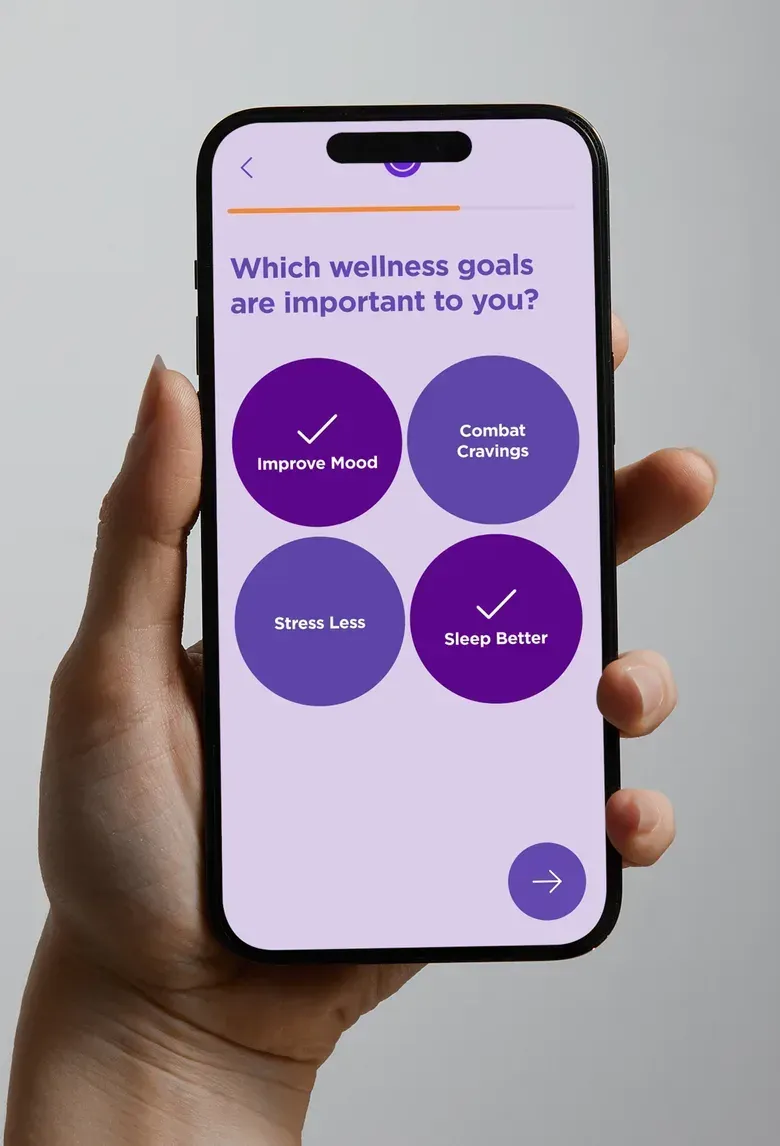
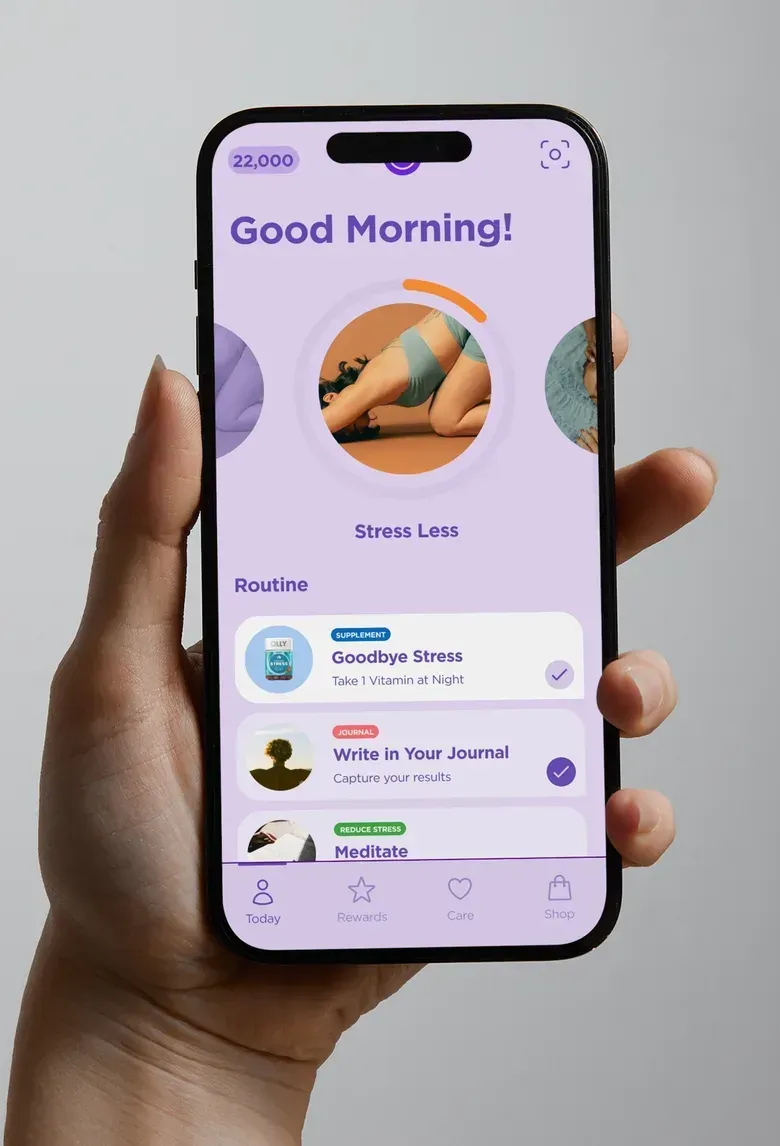
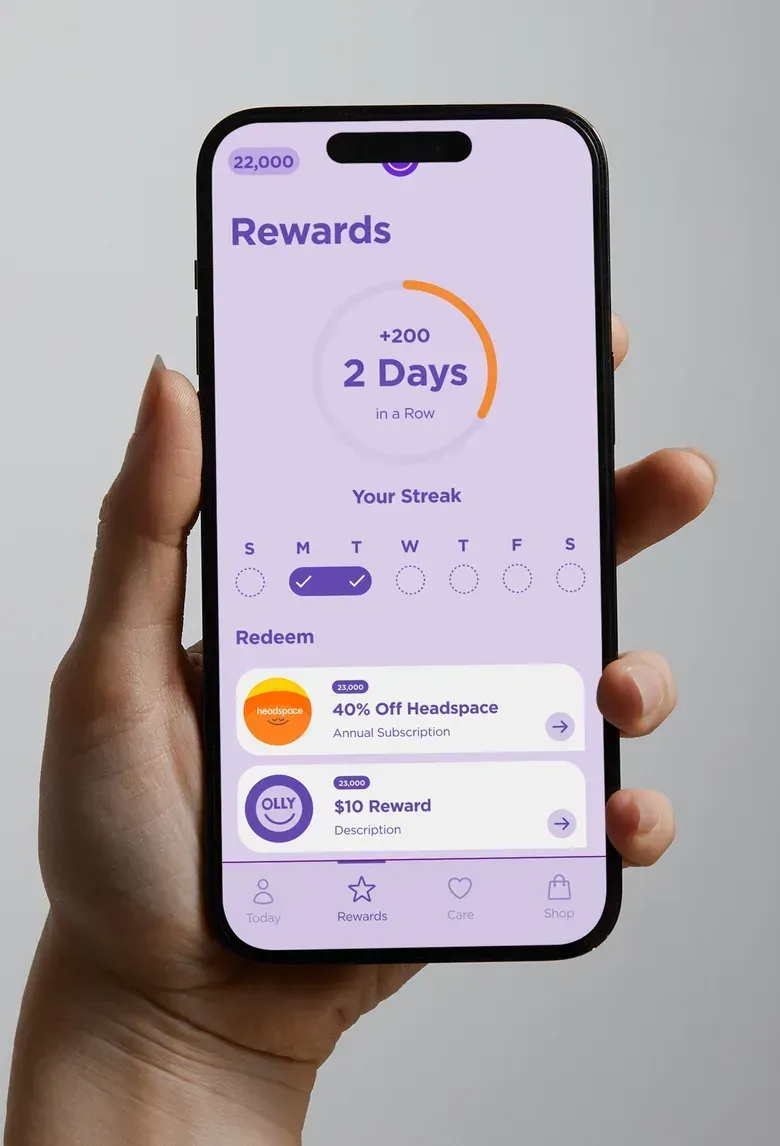
The roadmap has five parts: a vitamin tracker with daily reminders, bottle progress and a wellness diary; subscription management with suggestions based on progress and self-reported needs; a rewards program that links consistent use, reviews and sharing to points or discounts, with a more dynamic interface modeled on high-performing app-based programs such as Quip; onboarding that collects goals and preferences early to shape recommendations and content; and scan-to-engage codes on packaging that connect a customer to the app or a product page.
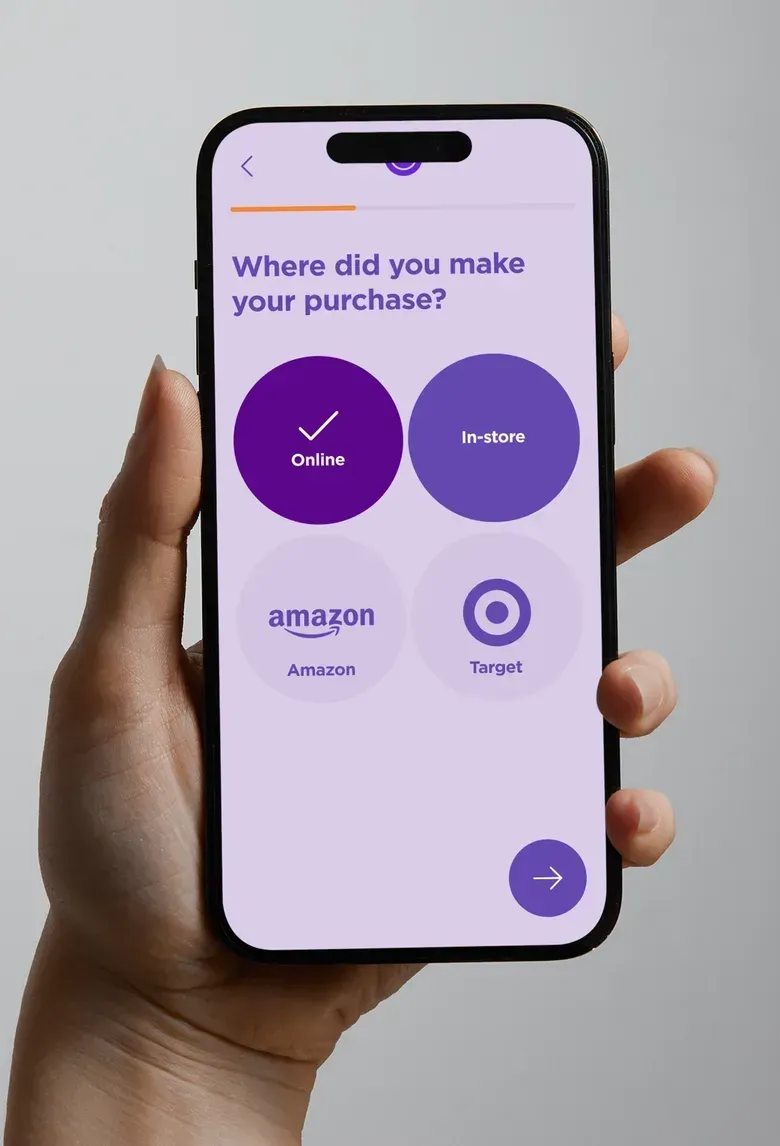
For in-store buyers, the roadmap suggests tools such as meOrigin or care/of to log purchases after the fact, and importing product details so a customer can reorder and give feedback even when the purchase was made through a third party such as Amazon.
The result
The roadmap is designed to improve retention through personalization, subscription management and a wellness diary, and to draw offline buyers into Olly's digital experience with scan-based features. Clearer rewards linked to behavior are designed to raise participation, and feedback and usage data are designed to give Olly a better view of how customers use its products.
Project images
Questions about this project
What did Shockoe do for Olly?
Shockoe ran a UX and UI assessment of Olly's mobile direct to consumer experience. It included a success workshop, a review of the current experience and the customer journey, and recommendations with concept screens.
Is this a finished app?
No. The screens are concepts from the assessment, shown to illustrate the recommendations. The work set out a prioritized roadmap for the mobile experience.
What did Shockoe recommend?
A vitamin tracker with reminders and a wellness diary, subscription management with product suggestions, rewards tied to real behavior, onboarding that learns each customer's goals, and scan-to-engage codes on packaging.
How would the recommendations help Olly?
They are designed to improve retention through personalization and subscription tools, raise participation in the rewards program, and give Olly better insight into how customers use its products.
From the Barcode to the Back Pocket: How Mobile Rewired Grocery Retail
The barcode scanner has long been a fixture at grocery checkouts, and the checkout was the main digital touchpoint between shoppers and grocers.
Beyond the Cart: How to Save the In-Store Grocery Experience in the Digital Age
Shoppers still prefer the store, but they expect it to work like their apps. Here is where friction shows up and how grocers can remove it.
What Is Omnichannel Retail? How Shockoe Helps Create Unified Shopping Experiences
How omnichannel retail unifies stores, apps, and websites into one customer experience, how it differs from multichannel, and what it takes to build.